Scrolling through Pinterest or Instagram for home inspiration can feel like wandering through a gallery of beautiful but wildly different worlds. One room is all serene white and clean lines, the next is bursting with bold color and vintage finds. How do you even choose a direction? Understanding the core principles behind popular home styles is like learning the grammar of interior design\u2014once you know the rules, you can start speaking your own dialect.
Your home’s style is its personality\u2014the visual language that tells your story before you say a word. Here, we’re breaking down the most popular styles filling our feeds and decoding their DNA, with a practical, achievable roadmap for bringing each into your own space. No designer budget required\u2014just a clear vision and some smart decisions.
Finding Your Own Style Compass
Before diving in, one important note: none of these styles are rigid boxes. Think of them as starting points, not rulebooks. Most real, lived-in homes blend several\u2014a hybrid of styles. Maybe you love Minimalism’s clean structure but crave Japandi’s warmth. That’s completely fine. Use this guide to figure out what resonates, then mix principles to build something that’s genuinely yours.
Let’s look at the landscape.
1. Modern Farmhouse: Comfortable and Classic
- The feel: Warm, welcoming, and family-friendly, with a rustic core and a polished finish. Think shiplap, barn doors, and farmhouse sinks paired with comfortable slipcovered sofas and modern lighting.
- Core elements: Neutral palettes (white, cream, grey, black), natural wood (often distressed or whitewashed), mixed metals (iron, brass), vintage-inspired accessories, and utilitarian shapes.
- How to get there:
- Layer in texture first: Woven baskets, chunky knit throws, linen textiles, and galvanized metal accents.
- Add a statement piece or two: A large wooden dining table, a sliding barn door (or one that mimics the look), or open shelving with bracket supports.
- Keep things light and airy: White or light grey walls work best here. Maximize natural light and add modern-style lanterns or drum shade pendants where needed.
- Blend old and new: Pair an antique find (a ladder, an old sign) with a sleek contemporary sofa. That contrast is what sells the look.
2. Minimalist: The Art of Less
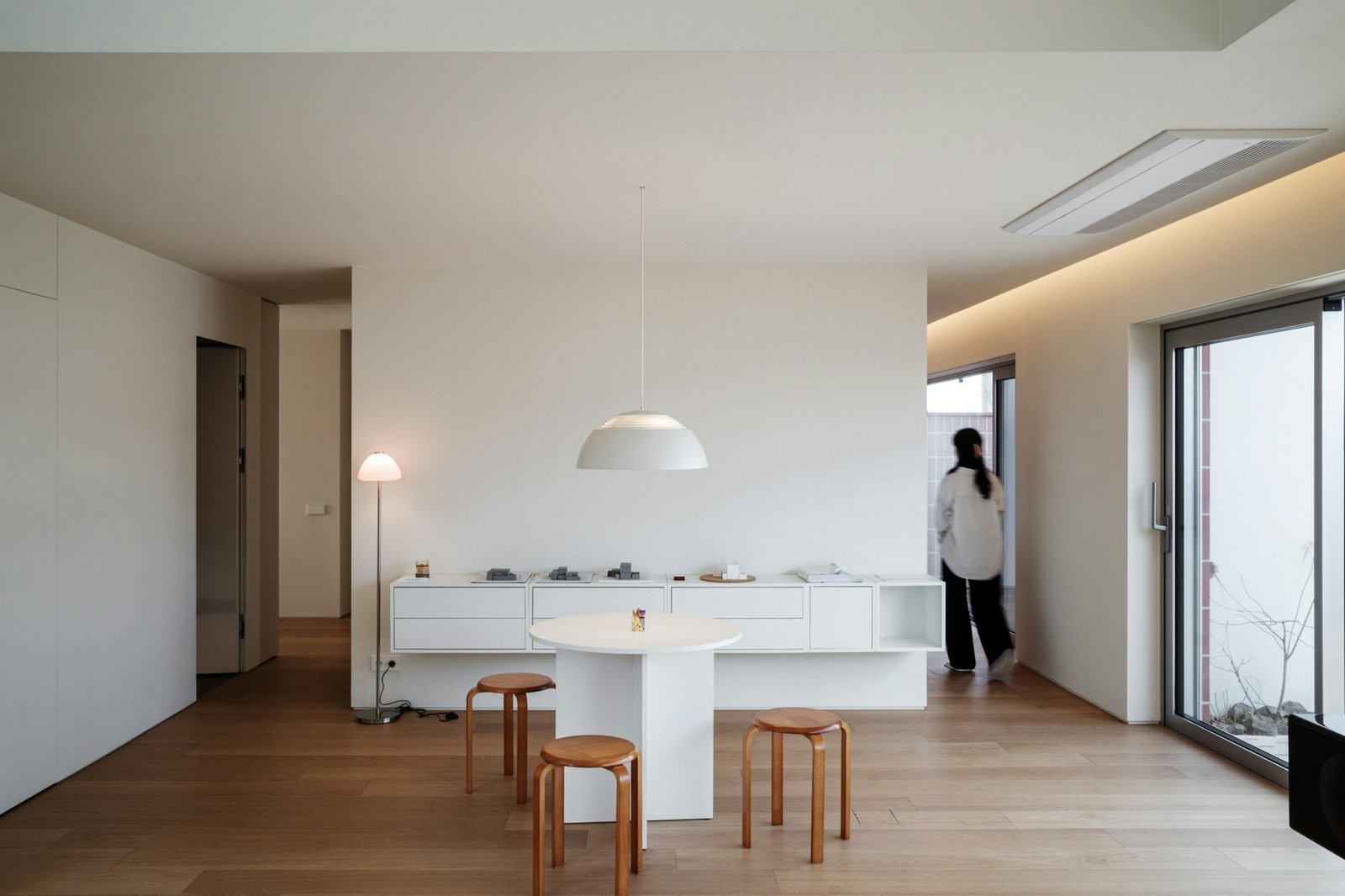
- The feel: Calm, clean, and intentional. It’s not about emptiness for its own sake, but editing out everything non-essential to create a serene, focused space\u2014a visual deep breath.
- Core elements: A monochromatic or very tight color palette, clean geometric lines, generous negative space, highly functional furniture, and hidden storage. Every single item chosen for quality over quantity.
- How to get there:
- Do a ruthless edit first: Clear everything from a space, then bring back only what’s functionally essential or genuinely brings you joy.
- Pick a palette and commit: White, black, grey, and beige are classics. Add one soft natural tone\u2014sage or oatmeal\u2014if you want a bit of warmth.
- Choose furniture like sculpture: Look for simple, beautiful silhouettes\u2014a platform bed, a low-profile sofa, a tulip table.
- Give everything a home: Build in smart, hidden storage. Clutter is minimalism’s biggest enemy.
3. Japandi: Zen Fusion
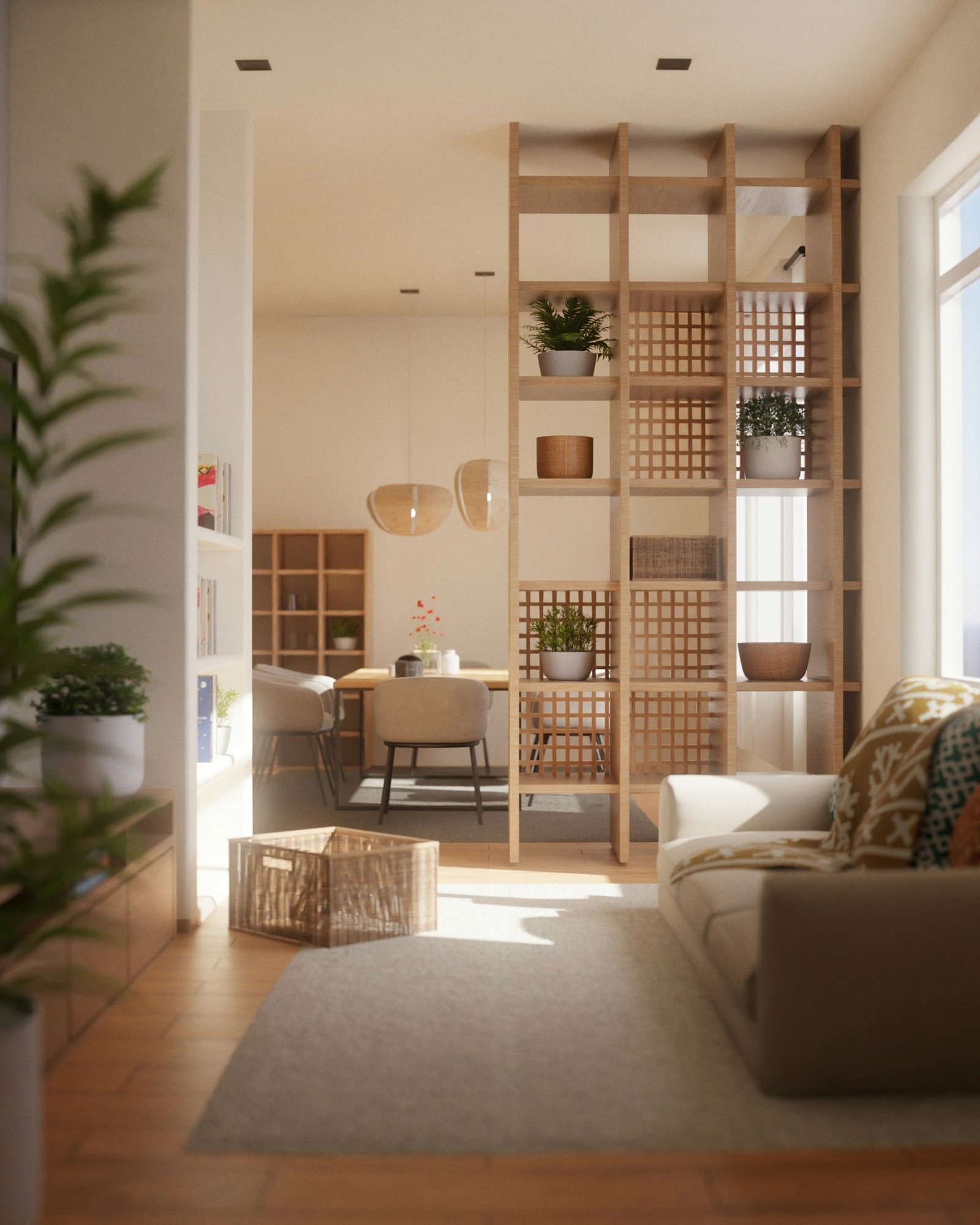
- The feel: The dream combination for many\u2014Japanese simplicity (wabi-sabi) meeting Scandinavian coziness (hygge). It’s warm minimalism: orderly, natural, and deeply peaceful.
- Core elements: A neutral, organic color story (oat, grey, cream, black, soft green), natural materials (light wood, linen, paper, stone, bamboo), handcrafted imperfections, and gentle, curved lines. Function that’s beautiful by design.
- How to get there:
- Choose materials first: Lean into light woods like ash or oak, textured linen, and rattan. Skip anything high-gloss or overly processed.
- Welcome imperfection: A ceramic vase with an uneven glaze, a hand-woven basket, wood with visible grain\u2014this is the wabi-sabi spirit at work.
- Stay low and linear: Choose low-profile furniture close to the ground, with clean horizontal lines. Sliding screens or room dividers add flexibility.
- Leave room to breathe: Give objects space around them. A single branch in a vase says more than a crowded bouquet.
4. Coastal / Hamptons: The Breezy Escape
- The feel: Relaxed, airy, sun-drenched\u2014like a permanent seaside vacation. Crisp, clean, and casually elegant.
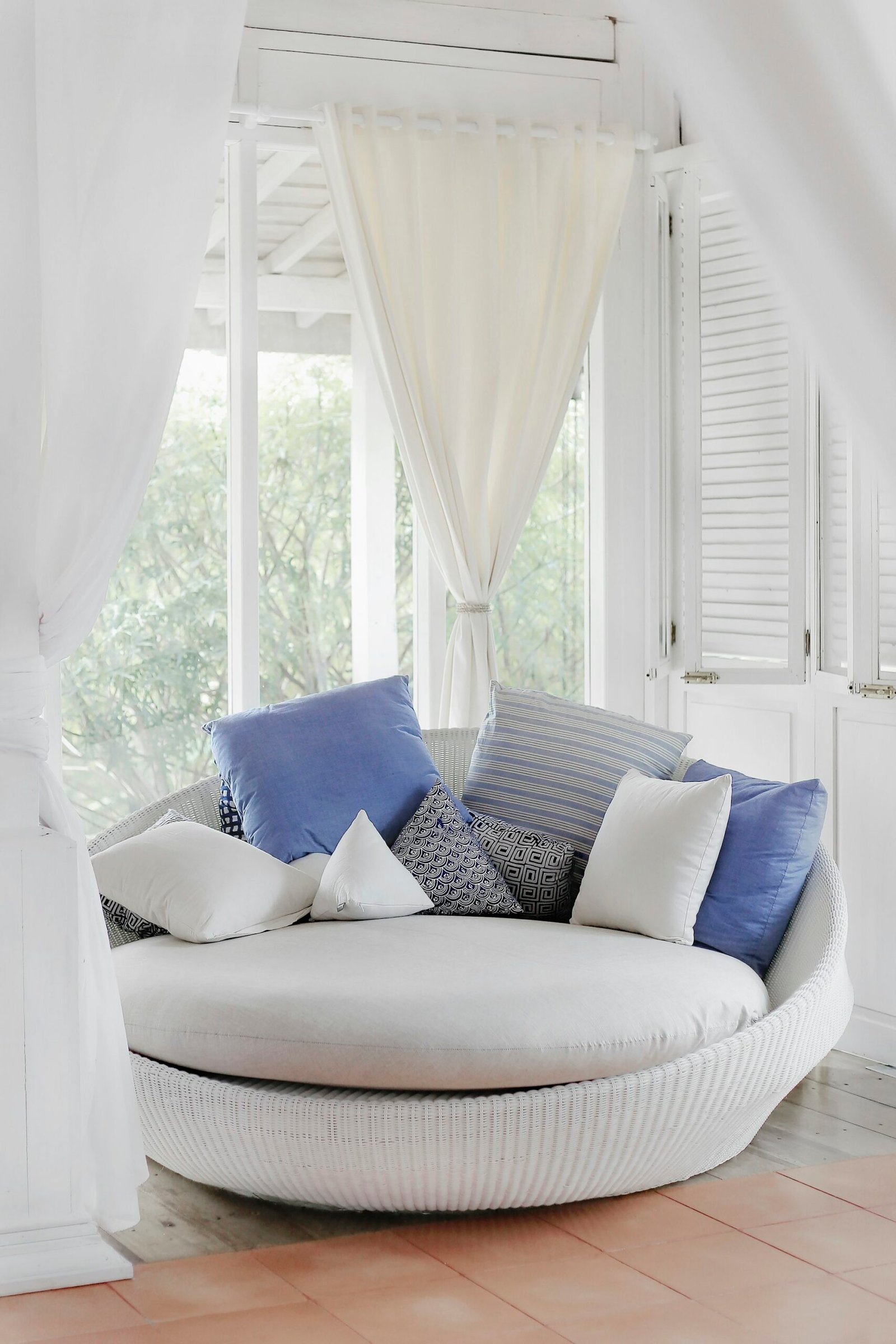
- Core elements: A blue-and-white palette (navy, sky blue, cream), natural textures (sisal, jute, sea grass), stripes, weathered wood, and reflective surfaces (mirrors, glass) that bounce light around the room.
- How to get there:
- Wash the walls in light color: A soft white or pale, watery blue. Bring in navy as an accent through pillows, art, or a single furniture piece.
- Aim for nautical, not theme-park: Subtlety wins here. A rope-detailed mirror frame, a coral-shaped bookend, a piece of driftwood\u2014skip the literal anchors and lobsters.
- Choose light, airy fabrics: Linen or cotton slipcovers, sheer curtains that catch a breeze, lightweight throws.
- Bring in shells and glass: Display seashells in a clear glass jar, or use a piece of coral as a sculptural accent.
5. Maximalist: Joyful and Unapologetic
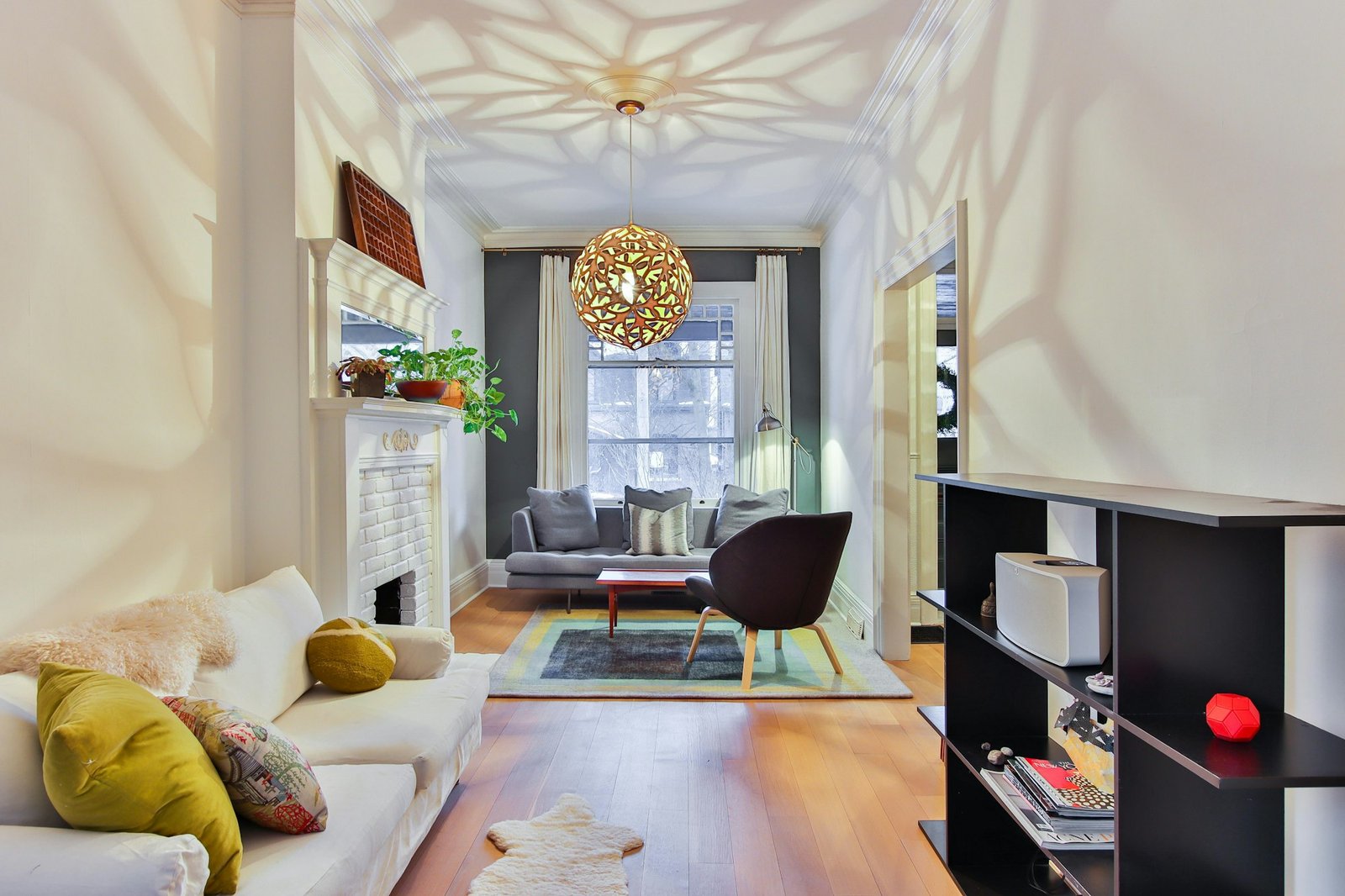
- The feel: Bold, personal, expressive\u2014a “more is more” philosophy that celebrates color, pattern, art, and collections without apology.
- Core elements: Saturated colors, boldly (and intentionally) mixed patterns, layered textiles, curated collections on display, gallery walls, and a sense of organized abundance. Deeply personal by nature.
- How to get there:
- Start with a bold wall color: Deep emerald, royal blue, or burgundy creates an instant, immersive backdrop.
- Mix patterns with confidence: The trick is varying scale\u2014pair a large-scale floral wallpaper with a small-scale geometric pillow, and keep one unifying color running through everything.
- Show off your collections: Vintage plates, rare books, ceramic figurines\u2014group them together for real impact. Sort bookshelves by color if you like.
- Layer generously: Rugs on rugs, art on art, throws on throws. The goal is a visual feast.
6. Mid-Century Modern: The Timeless Retro Look
- The feel: Retro-futuristic, functional, and undeniably cool\u2014a callback to the post-war optimism of the ’50s and ’60s, with organic shapes and a strong connection to nature.
- Core elements: Clean lines paired with organic curves, tapered furniture legs, real functionality, bold accent colors (mustard, olive, orange) against warm wood tones (teak, walnut), and atomic or geometric patterns.
- How to get there:
- Invest in iconic shapes: Look for the telltale silhouettes\u2014an Eames-style chair, a tulip table, a credenza on slender legs. One or two authentic or well-made reproduction pieces anchor the whole look.
- Bring in warm wood: Teak, walnut, or rosewood through furniture, wall paneling, or decor accents.
- Play with period patterns: A graphic geometric rug, a sunburst clock, or pillows with atomic prints.
- Keep it uncluttered: This style celebrates the form of objects, so let each piece have room to speak for itself.
Final Thoughts: Your Style, Your Rules
The most successful home isn’t the one that follows a trend to the letter\u2014it’s the one that feels genuinely like you. Use these popular styles as a shared vocabulary.
Want Minimalist calm but with Japandi warmth? Blend clean lines with light wood and linen. Love Coastal light but also crave Maximalist color? Try a shell-pink wall paired with layered blue patterns.
Start by saving images you’re drawn to and look for the common threads\u2014is it the color, the furniture shapes, or the overall feeling? That’s your true north. Now go build a home that doesn’t just photograph well, but genuinely feels like you.
FAQs
1. I’m drawn to several different styles\u2014is it wrong to mix them?
Not at all. Thoughtfully mixed styles create a layered, collected, personal look. The key is a unifying thread\u2014a consistent color palette, a repeated material like wood, or a shared feeling (both MCM and Japandi lean warm, for instance). Avoid a rigid 50/50 split; let one style lead at around 70%, with the other as an accent.
2. How do I move my traditional home toward something more modern without starting from scratch?
Update in layers. Start with lighting\u2014swap ornate chandeliers for simple modern pendants or drum shades. Then edit accessories\u2014clear out busy knick-knacks in favor of simpler, sculptural pieces. Then reupholster or slipcover\u2014a traditional sofa can look completely different under a solid, neutral linen slipcover. Fresh paint on trim and walls also goes a long way.
3. I rent and can’t paint or renovate. Can I still commit to a style?
Your power is in soft furnishings and furniture. Rugs, curtains, pillows, throws, and lamps account for most of a room’s overall feel. A sisal rug, blue striped pillows, and a rattan chair build real Coastal energy. A gallery wall with removable strips, layered rugs, and bold temporary curtains can achieve a Maximalist look. Your belongings tell the story here, not the structure.
4. What’s the most common mistake people make when trying a new style?
Going too literal. That’s how “Coastal” turns into a seashell souvenir shop or “Farmhouse” turns into an actual barn. The goal is to evoke a feeling, not recreate a movie set. Use subtle nods\u2014colors, textures, shapes\u2014that suggest the style rather than shout it, and skip the most obvious, clich\u00e9d pieces.
5. How do I figure out which style is really “me”?
Build a mood board, physical or digital (Pinterest works great). Save images of rooms, but also art, fashion, travel spots, and objects you’re drawn to\u2014not just what you think you’re supposed to like. After a few weeks, step back and look for patterns. Are the images mostly calm and neutral (leaning Minimalist or Japandi), or colorful and energetic (leaning Maximalist)? Your real taste tends to show itself pretty clearly.