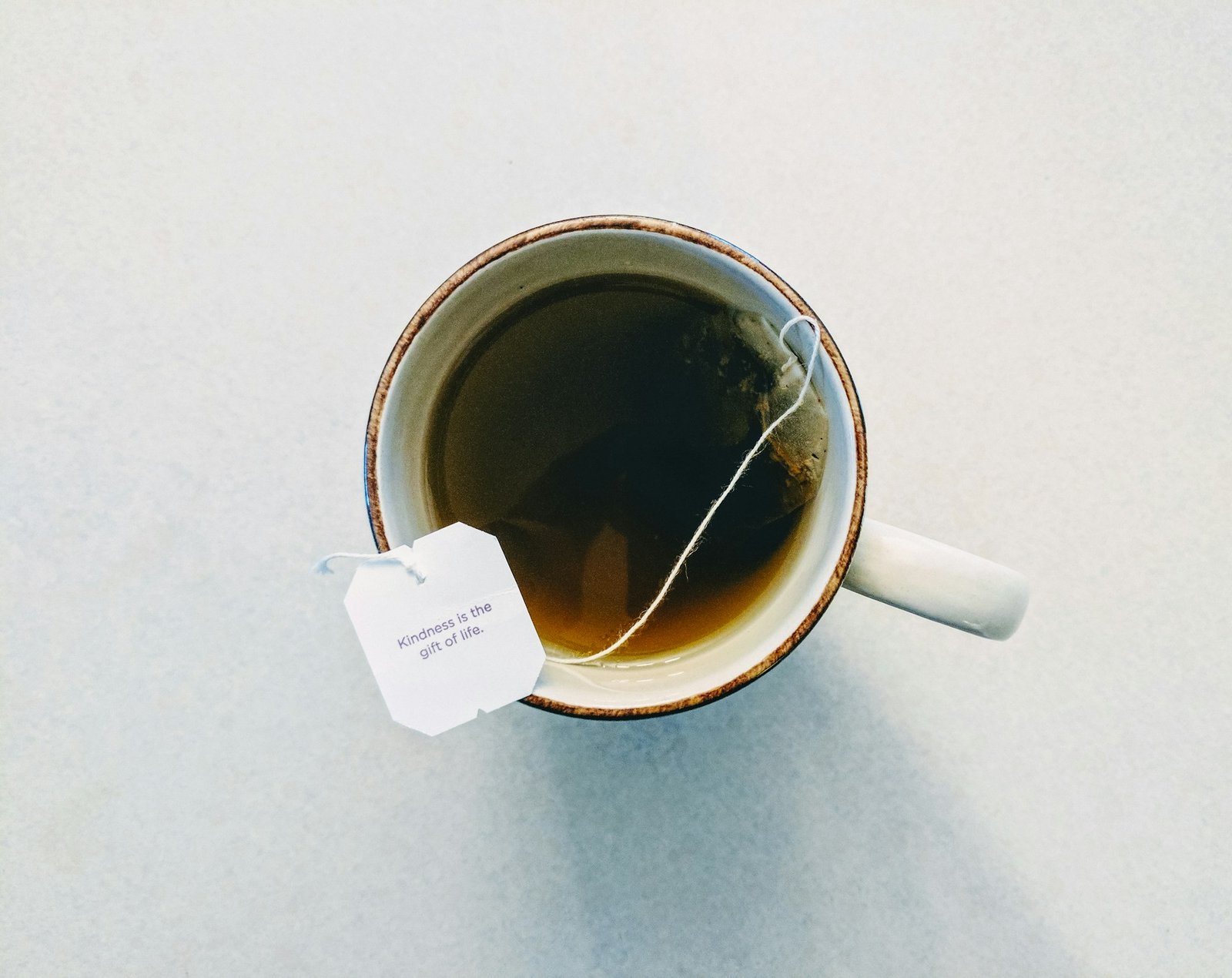
Let’s clear something up right away: self-care isn’t a scented candle you light after your life has already gone up in flames. It isn’t an indulgence or a hashtag. In modern life\u2014with its constant notifications, 24/7 connectivity, and pressure to perform\u2014self-care is basic maintenance. It’s what keeps the most complex system you’ll ever operate\u2014you\u2014from glitching, crashing, or quietly burning out.
Here’s the trap, though: self-care has been turned into another to-do list item, another thing to optimize. That’s not really it. Genuine self-care has less to do with buying things and more to do with setting boundaries\u2014the art of strategically disconnecting so you can reconnect with yourself. These practices aren’t luxuries. They’re the non-negotiable basics for staying sane, healthy, and human in a world that’s genuinely too busy for its own good.
Self-Care Reframed: From Pampering to Preservation
Set aside the idea of spa days for a moment. In a world constantly demanding your attention, the most radical act of self-care is withholding it\u2014being unavailable, being bored, being quiet.
Modern self-care is really about building a personal ecosystem that filters out digital-life stressors and nourishes your actual well-being. It’s often less about adding things, and more about skillfully subtracting them. Here’s what an essential maintenance routine could look like.
Four Foundational, Non-Negotiable Practices
These are the baseline. Without them, everything else is just rearranging deck chairs.
1. Digital Fasting: Managing Your Information Diet
Your brain wasn’t built for the firehose of global news and constant social comparison it faces today.
- The practice: Build a daily “circadian fast” from screens\u2014no phone for the first hour after waking (protects your morning mindset) and the last hour before sleep (protects your melatonin). Add one 24-hour tech-free stretch each month if you can manage it.
- Why it matters: This directly reduces anxiety, sharpens focus, restores natural sleep rhythms, and gives your nervous system a break from the constant fight-or-flight triggers baked into the news cycle and social media. It also gives your own thoughts room to actually form.
2. Cultivating Boredom: A Gateway to Creativity
We’ve turned stillness into something to avoid, reaching for a phone during every micro-moment of waiting.
- The practice: Schedule 10 minutes of deliberate boredom into your day. Sit still, stare out a window, walk without a podcast playing, or do a mundane chore with no audio at all. Let your mind wander wherever it wants to go.
- Why it matters: Boredom is where creativity and problem-solving actually incubate. It lets your brain’s default mode network kick in, processing emotions, consolidating memories, and generating fresh ideas. It’s the antidote to reactive, frazzled thinking.
3. Sensory Resets: Grounding Yourself in a Virtual World
Modern life keeps us stuck in our heads and glued to screens. Reclaiming your body and your senses takes active effort.
- The practice: Do a 5-minute sensory reset daily. Splash cold water on your face (a genuinely effective nervous-system reset), walk barefoot on grass, deeply inhale fresh coffee or citrus, or run through the classic five-four-three-two-one grounding exercise using your senses.
- Why it matters: This pulls you out of anxious future-thinking or rumination and plants you firmly in the present\u2014the only place peace actually exists. It’s a genuine reset for a frazzled nervous system.
4. Auditing Your Self-Talk
The most constant input you receive all day is your own inner voice. Is it a harsh critic or a supportive coach?
- The practice: Twice a day, pause and notice your self-talk. Are you calling yourself “stupid” over a small mistake? Beating yourself up for being tired? Gently reframe it\u2014″I’m learning,” “I’m human and I need rest.” Talk to yourself the way you’d talk to a good friend in the same spot.
- Why it matters: You can’t outperform your own self-image. Chronic, harsh self-criticism is a direct source of internal stress and burnout. Building self-compassion is arguably the single most important psychological skill for genuine resilience.
Building on the Basics: Practices for Lasting Vitality
Once the foundation feels stable, these next practices build sustained energy and joy.
5. Micro-Dosing Joy
We tend to wait for big, planned moments of happiness, when real joy usually shows up in small, daily sips.
- The practice: Deliberately notice and savor one small joy every single day\u2014the warmth of the sun on your skin for thirty seconds, the first sip of a great drink, the sound of a loved one laughing. Don’t just experience it in passing\u2014pause and actually absorb it.
- Why it matters: This trains your brain to notice positives, building a kind of psychological resilience fueled by small, dependable pleasures rather than waiting for big wins.
6. Create a “Finish Line” Ritual
Modern work has no natural stopping point\u2014emails bleed into the evening, tasks feel endless.
- The practice: Build a definitive end-of-work ritual. Shut down your computer, say something out loud like “my workday is done,” tidy your desk, or take a short walk. This creates a real psychological boundary, signaling to your brain it’s time to shift from productivity mode into person mode.
- Why it matters: Without a finish line, you’re perpetually on call to your own expectations, which breeds chronic stress and makes real rest nearly impossible. This ritual actively protects your recovery time.
7. Taking Control of Social Media
Passively scrolling is genuinely toxic. Intentional connection can actually be nourishing.
- The practice: Shift your relationship with social media from passive consumption to active curation. Unfollow anyone who makes you feel inadequate, anxious, or irritable, even family members if needed. Mute noisy group chats. Use the platforms with intent\u2014sharing your own work, messaging a friend directly, learning a specific skill\u2014then log off.
- Why it matters: You’re the curator of your own mental environment. This removes the steady drip of comparison and outrage, turning what’s often a stressor into a briefly useful tool instead.
Wrapping Up: Unglamorous but Essential Work
Real self-care is genuinely unglamorous. It’s turning off the show you’re half-watching so you actually get to bed on time. It’s leaving your phone in another room during dinner. It’s staring at a wall for 10 minutes. It’s saying “no” so you can protect a more important “yes.”
These practices aren’t about squeezing a lavender bath into an already overloaded schedule. They’re about removing the sources of overwhelm and strengthening your inner foundation. They’re the small, humble habits of preservation that let you show up in the world as a grounded, resilient person, instead of a depleted resource.
Start with just one foundational practice\u2014master the digital fast, or the sensory reset. This isn’t about pampering yourself; it’s about building genuine psychological resilience. In the modern world, that might be the most essential care there is.
FAQs
1. I don’t have time for self-care\u2014isn’t that kind of the whole problem?
That “I don’t have time” feeling is actually the clearest sign you need it most. You don’t have time not to. Start with micro-practices folded into what you’re already doing\u2014the sensory reset can happen in the shower, the self-talk audit can happen on your commute, boredom can happen while the microwave runs. It’s about quality of attention, not carving out huge blocks of time.
2. Isn’t self-care kind of selfish?
It’s about as far from selfish as it gets. Think about the airplane oxygen mask rule\u2014you have to secure your own mask before helping anyone else. Self-care works the same way. You can’t sustainably show up for kids, partners, or colleagues if your own reserves are running on empty. It’s the foundation that makes genuine contribution to others possible.
3. What if these practices just make me more aware of how stressed I actually am?
That awareness is the necessary first step. You can’t fix a problem you’re numb to. That initial discomfort is a bit like turning on a light in a messy room\u2014uncomfortable, but useful. The practice isn’t causing the stress; it’s revealing it. Now you can actually start cleaning, one manageable corner at a time.
4. How do I handle people who get upset about my new boundaries, like not answering messages after 7pm?
Communicate it clearly and positively ahead of time: “I’m trying to be more present in the evenings so I can focus better during the day. Feel free to text me anytime, and I’ll get back to you first thing in the morning.” Most reasonable people will respect a clearly stated boundary. Those who push back are showing you they valued your constant availability more than your well-being.
5. I’ve tried self-care, but I still feel burned out. What am I missing?
You might be caught in what could be called “taskmaster self-care”\u2014turning relaxation into another thing to perform perfectly, like insisting on meditating for exactly 20 minutes flawlessly. Real self-care starts with a gentler question: “what do I actually need right now?” Sometimes it’s a brisk walk, sometimes it’s calling a friend, sometimes it’s permission to do absolutely nothing without guilt. Listen for the honest answer underneath all the “shoulds.” Self-care is an internal conversation, not an external checklist to complete.