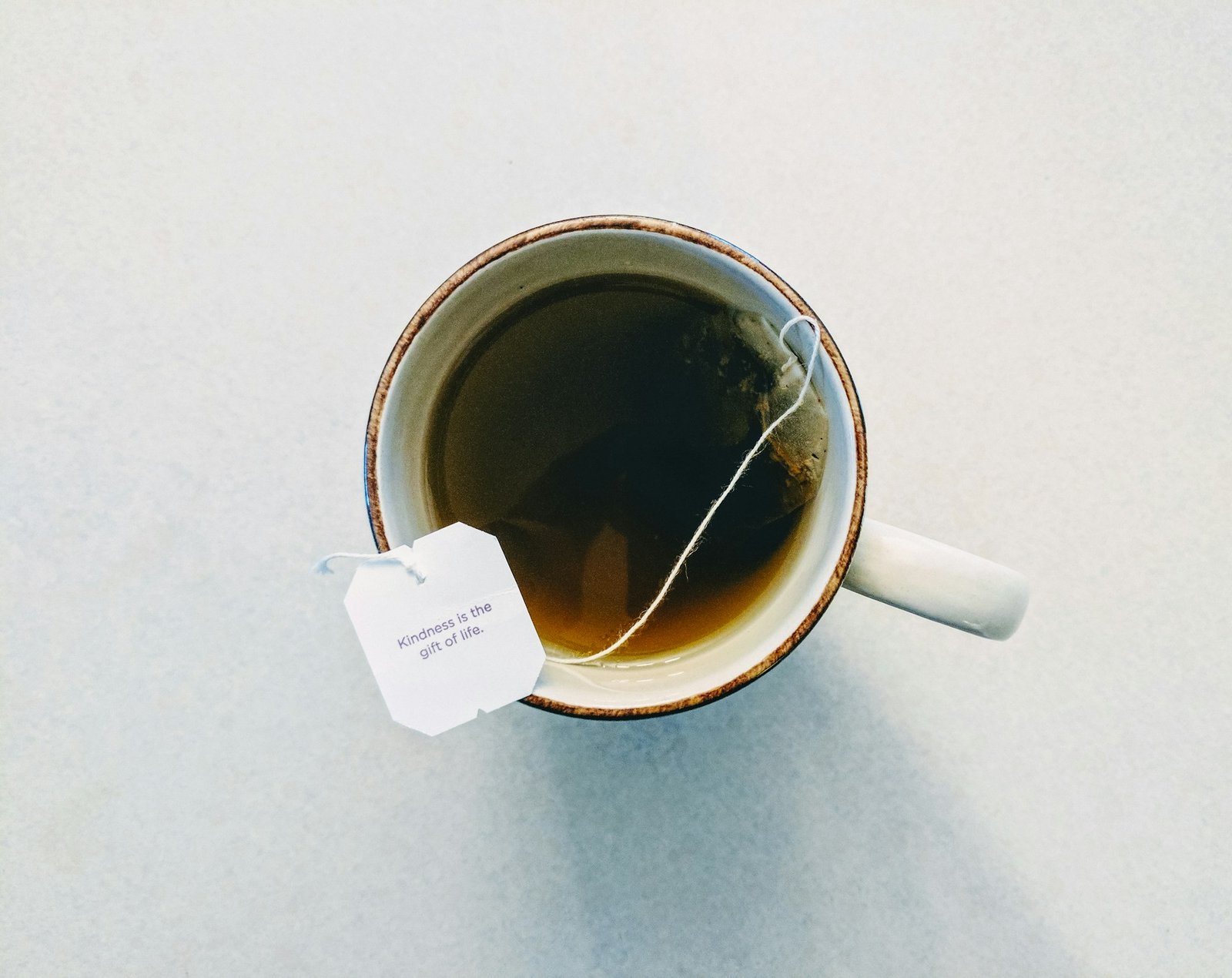
Let’s cut through the noise: a healthier, happier life doesn’t come from one grand overhaul. It’s not hiding in a 90-day extreme challenge or a miracle supplement. It’s built in the quiet, consistent, seemingly unremarkable minutes of your ordinary days\u2014the compound interest of tiny choices adding up over time.
Think of your well-being like a garden. You wouldn’t yell at a plant to grow faster\u2014you’d water it consistently, give it sunlight, and pull the occasional weed. Life works the same way. Daily habits are your water, your sunlight, your careful tending. Here are the everyday, non-negotiable deposits you can make into the account of a genuinely good life.
The Real Foundation: Systems, Not Willpower
Before diving into the list, one important note: relying on daily heroics and pure willpower is a recipe for burnout. The real trick is designing your environment for success\u2014make the healthy choice the easy one, and the draining choice a little harder to reach. That’s the actual secret. Now let’s build the architecture of a genuinely better day.
Anchoring the Morning: Own Your First Hour
How you start the day sets its tone. This isn’t about a brutal 5am grind\u2014it’s about intention before input.
- Hydrate before caffeinating: Keep a full glass of water by your bed and drink it before touching your phone or coffee. You’re dehydrated after eight hours asleep, and this simple act kickstarts your metabolism and rehydrates your brain.
- Take five minutes of genuine quiet: Before the world crashes in, give yourself five minutes of silence. Sit with your coffee and look out the window. Breathe. Meditate if that’s your thing, or simply skip picking up a device for a moment. This buffer of calm makes you noticeably less reactive to whatever the day throws at you.
- Move your body, even briefly: It doesn’t need to be a workout\u2014it’s a wake-up signal. Five minutes of stretching, a few sun salutations, a short walk around the block. The point is reconnecting with your physical self and getting blood flowing. It tells your body, “we’re alive and moving today.”
Sustaining Energy and Focus Through the Day
These are the gears that keep everything running smoothly during the workday.
- Try single-tasking sprints: Our brains aren’t built for constant multitasking. Practice monotasking instead\u2014for 25-50 minute blocks, work on exactly one thing with full attention, closing extra tabs and silencing notifications. Then take a genuine 5-10 minute break, not spent scrolling. This Pomodoro-style rhythm leads to better work and less mental fatigue.
- Actually take your lunch break: Don’t eat at your desk\u2014full stop. Move to another room, step outside, or at least look out a window while you eat. That 20-30 minute mental break from work cuts down afternoon burnout and even helps digestion. It’s a small act of reclaiming your own time.
- Make a micro-connection: Send one text, make one short call, or have one genuine, non-transactional conversation with someone you care about\u2014not for logistics, just for connection. “Hey, I was thinking about you\u2014how’d your presentation go?” That small investment pays real dividends for emotional well-being.
Winding Down: Preparing for Real Recovery
A good day ends well, setting up both restful sleep and the next day ahead.
- Set a digital sunset: Pick a firm time, 60-90 minutes before bed, to put every screen away. Blue light interferes with melatonin production and wrecks sleep quality. Use this window for analog activities\u2014a physical book, light tidying, conversation, gentle stretching.
- Pause for gratitude: As you lie in bed, mentally list three specific things you were grateful for that day\u2014not just “my family,” but “the way my partner made me laugh at dinner.” This practice actively rewires your brain to notice the positive, pushing back against our natural tendency to fixate on problems. It’s one of the simplest, most effective happiness habits out there.
- Do a small closure ritual: Handle one small thing to set up tomorrow\u2014lay out your clothes, pack lunch, jot down your top three priorities on a notepad. This closes the loop on the day, keeping your mind from anxiously planning overnight, and gifts your future self a smoother morning.
The Golden Thread: The One-Minute Rule
This habit makes every other habit easier by defeating procrastination and clutter before they build up. If something takes less than a minute, do it right away\u2014hang up your coat, rinse your dish, toss laundry in the hamper, reply to that short email. This stops small tasks from piling into an overwhelming mental burden, keeping both your space and your mind clear.
Wrapping Up: The Power of the Mundane
A healthier, happier life isn’t some distant destination\u2014it’s the quality of your everyday journey, measured in small daily rituals. You won’t feel the earth shift after one day of drinking water first thing in the morning. But after a month? You’ll notice more alertness. After a year? These small threads will have woven together into real resilience, calm, and joy that doesn’t depend on circumstances.
Don’t try to adopt all of these at once. Pick one, master it for two weeks, then add another. Be the patient, consistent gardener of your own life. The harvest is a kind of vitality that isn’t dependent on your circumstances, but woven directly into the fabric of your days.
FAQs
1. What if I miss one of these habits for a day, or even a week?
This isn’t about perfection\u2014it’s about direction. The goal is a positive trend, not a flawless streak. Missing a day genuinely doesn’t matter. The only real failure is letting one missed day become an excuse to give up entirely. Just start again gently, without self-criticism, at the next opportunity. Progress over perfection, always.
2. I have young kids and a demanding job\u2014these feel impossible to fit in.
The underlying principles are universal, even if the execution shifts. Your five minutes of quiet might happen in the car before work, or after the kids finally go to bed. Your micro-connection could be a silly 30-second dance with your toddler. The one-minute rule is honestly a parent’s secret weapon. The key is defining each habit by its spirit rather than its exact form\u2014ask yourself what a 1% version of this looks like today.
3. Does the order of these habits matter?
The morning and evening habits act as helpful bookends for your day, giving it structure. The midday habits can shuffle around freely. What matters more is attaching a new habit to an existing one, a technique often called habit stacking\u2014″after I pour my morning coffee, I’ll sit quietly for five minutes,” for instance. The existing habit (coffee) cues the new one (quiet time).
4. How long before I actually see results from changes this small?
You’ll likely feel a subtle shift in how your days feel within the first week\u2014a bit less morning fog, slightly less evening anxiety. The deeper changes in overall satisfaction, energy, and resilience tend to compound over 3 to 6 months. Trust the process\u2014you’re essentially building a new operating system for your life, and that takes a little time.
5. If I can only start with one habit, which should it be?
If you have to pick just one, make it the digital sunset. Poor sleep quality undermines nearly every other area of health, happiness, and willpower. Protect your sleep, and you build a foundation of restored energy that makes every other positive habit dramatically easier to adopt. It’s genuinely the highest-leverage change on this whole list.