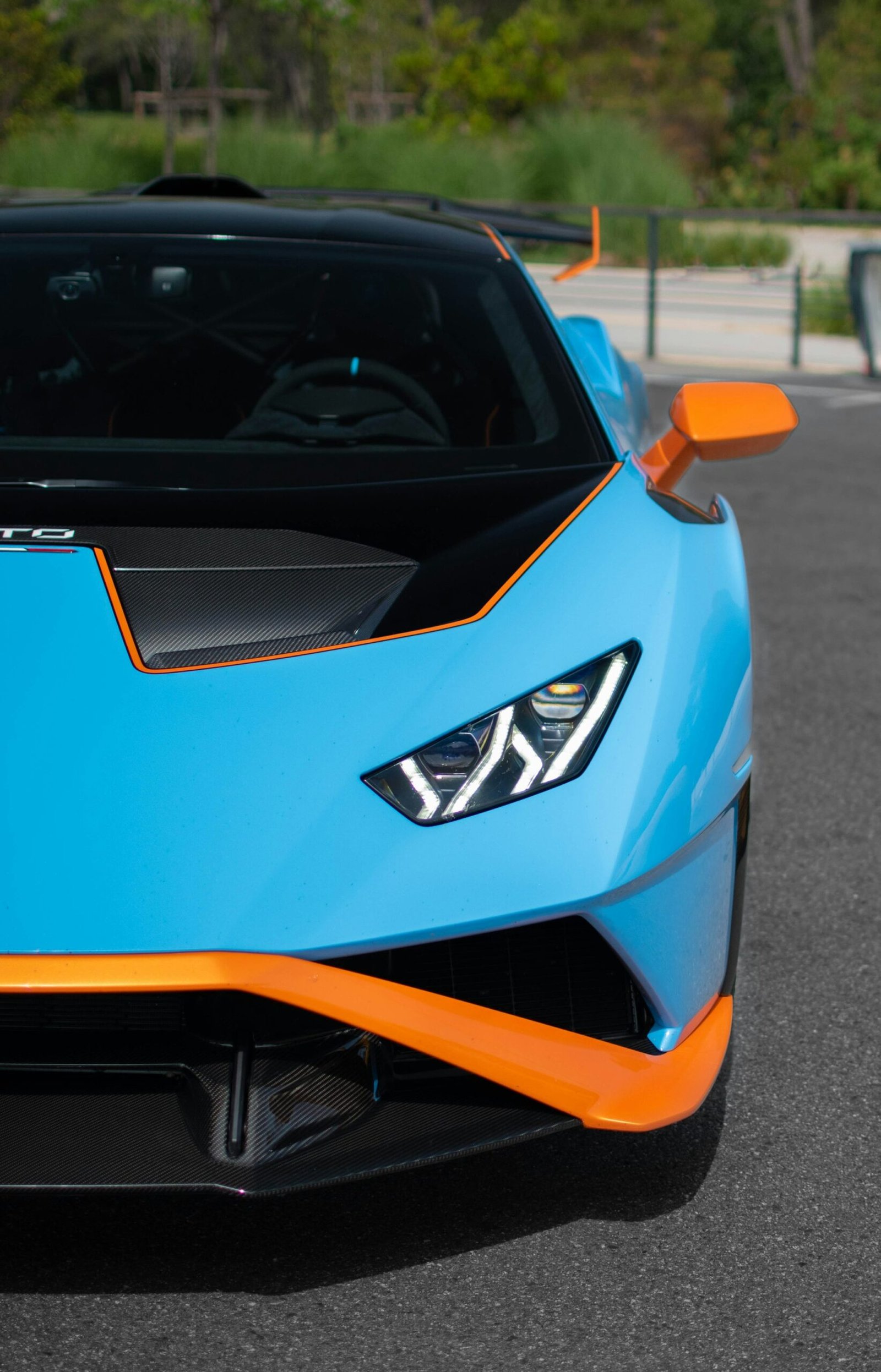
Let’s be honest\u2014there’s something special about a car that doesn’t just get you from A to B, but does it with a theatrical roar, a pulse-quickening surge, and a grin you can’t quite wipe off your face. That’s performance. But here’s the thing: the definition of “performance” itself is shifting right in front of us. It’s no longer just about raw horsepower and a screaming redline. It’s about intelligence, adaptability, and sometimes, remarkable silence.
This year, electric juggernauts spar with combustion masterpieces, hypercars borrow Formula 1 tech for the street, and even the humble sports sedan is getting a brain transplant. So buckle up\u2014here are ten cars that aren’t just fast, but are actively rewriting what “performance” even means.
The New Shape of Performance: More Than Horsepower
Think about what “performance” meant a decade ago\u2014straightforward, loud, visceral. Today it’s a much more layered thing. Speed is basically a given\u2014every car here is blisteringly quick. The real shift is in how they deliver that speed, and what they offer beyond a straight line.
We’re talking about neural networks managing torque more precisely than any human driver could, hybrid systems filling in turbo lag, and aerodynamics that glue a car to the road without sacrificing everyday comfort. Performance today is about balance, technology, and an emotional pull that can come from the wail of a V12 just as easily as the whir of a cutting-edge electric motor.
What Earned a Spot on This List
The bar was simple: each car had to push some kind of boundary.
- A technological leap: Introducing a system or piece of tech that genuinely changes the game.
- A philosophical shift: Representing a new approach to speed, like electric luxury grand touring.
- Democratizing access to genuinely insane performance at a relatively sane price.
- Emotional impact: Delivering an experience that’s memorable, regardless of what powers it.
The Electric Vanguard: EVs That Actually Thrill
The electric shift is here, and performance is its most dazzling showcase. These aren’t compliant eco-boxes\u2014they’re physics-defying statements of intent.
1. Porsche Taycan Turbo GT: The Electric Athlete
Porsche didn’t just build an electric car\u2014they built a Porsche that happens to be electric. The Taycan Turbo GT is that philosophy taken to its extreme. With up to 1,092 horsepower in Attack Mode, it’s not only the most powerful Porsche ever built, it also laps the N\u00fcrburgring like a dedicated track weapon.
What makes it a redefinition: The integration of intelligence into the whole experience. This isn’t just brute force\u2014active aerodynamics, rear-axle steering, and torque-vectoring all work together in a tightly connected system. It proves electric performance can be nuanced and genuinely engaging, not just a one-trick dragster act.
2. Lucid Air Sapphire: The Technical Marvel
If the Taycan is the athlete, the Lucid Air Sapphire is the physicist. Its numbers border on absurd: over 1,200 horsepower, 0-60 mph in under 1.9 seconds, a quarter-mile time that makes actual supercars blush. But the real story is what’s happening under the skin.
What makes it a redefinition: Compact, purpose-built motor technology. Lucid’s miniaturized, ultra-powerful motors and obsessive focus on efficiency deliver more power and more range at once\u2014a combination most rivals struggle to pull off. The Sapphire is a genuine masterclass in EV engineering, proving that the best performance comes from rethinking the entire electric powertrain from scratch.
3. Hyundai Ioniq 5 N: Performance for Everyone Else
This might be the most important car on this list. Hyundai’s N division took an already solid Ioniq 5 and injected it with a genuinely infectious dose of fun\u2014fake gear shifts, synthesized exhaust notes mimicking a combustion engine, drift-optimized software, all of it.
What makes it a redefinition: Emotional engineering built for the electric era. Hyundai clearly understands that for a lot of people, performance is tied to sound, vibration, and feedback. The Ioniq 5 N uses software to build an engaging, playful, genuinely accessible performance experience. It asks “how do we make EVs fun?” and answers with a big, cheeky grin.
Hybrid Power: The Best of Both Worlds
Hybrids have grown from mere fuel-sippers into genuine performance powerhouses, using electricity to erase weaknesses and amplify strengths.
4. Ferrari 296 GTB: Worthy of the Name
The 296 GTB’s twin-turbo V6 might seem like heresy to Ferrari loyalists\u2014until you drive it. Paired with an electric motor, it puts out 819 mind-bending horsepower, but the real story is how it sounds and responds.
What makes it a redefinition: Hybridization used as an emotional enhancer, not just a power boost. The electric motor fills the torque gap, making throttle response instant. The V6 screams to 8,500 rpm with a genuinely intoxicating howl. Ferrari didn’t hybridize purely for numbers\u2014they used it to build a sharper, more responsive, more emotionally engaging mid-engine supercar. It’s a new kind of harmony.
5. Mercedes-AMG ONE: F1 Tech, Street Legal
This is basically a spaceship that happens to be street-legal. The AMG ONE runs a literal, modified 1.6-liter Formula 1 V6 hybrid powertrain screaming to 11,000 rpm\u2014a staggering engineering achievement, and a $3 million hypercar that brings racetrack technology onto (very smooth) public roads.
What makes it a redefinition: The blurring of race car and road car. It’s the ultimate case of technology transfer\u2014active aerodynamics, a hyper-complex hybrid system, and that spine-tingling F1 engine note deliver an experience that used to be reserved for actual F1 drivers. It moves the ceiling of what a road car can be.
6. Chevrolet Corvette E-Ray: The All-Weather Supercar
The Corvette has always been about V8 thunder. The E-Ray keeps that 6.2-liter V8 but adds an electric motor to the front axle, making it all-wheel drive. The result is the quickest Corvette ever built, hitting 0-60 in 2.5 seconds.
What makes it a redefinition: Making all-weather, all-surface supercar performance genuinely accessible. For a fraction of what European AWD hybrids cost, the E-Ray delivers explosive acceleration, better traction in poor conditions, and even a few miles of silent electric cruising. It brings mind-bending hybrid performance down to a shockingly practical price.
Combustion Icons: The Flame, Refined
The combustion engine isn’t going away quietly. These cars represent petrol-powered performance refined about as close to perfect as it gets.
7. BMW M3 CS: Keeping It Analog
In an increasingly digital world, the M3 CS is a glorious, turbocharged, rear-wheel-drive throwback. It’s lighter, more powerful, and more focused than a standard M3\u2014it demands real skill, rewards bravery, and delivers its thrills through a direct, unfiltered connection to the driver.
What makes it a redefinition: Prioritizing driver engagement over raw numbers. The CS has impressive stats, sure, but its real mission is tactile feedback\u2014the steering, the chassis balance, the sharp throttle response. It’s built for the pure joy of driving, proving that in an age of AI-managed performance, a sharp, analog feel is its own kind of luxury.
8. McLaren 750S: A Hypercar Obsessed With Weight
McLaren’s philosophy has always been “light is right.” The 750S, successor to the excellent 720S, takes that idea to an extreme\u2014lighter overall, more power, faster hydraulics, even a lighter-weight windshield glass formula. The result is a hypercar that feels almost telepathically responsive.
What makes it a redefinition: A relentless focus on stripping away mass. While other makers add hybrid systems (and weight) chasing more power, McLaren strips out every possible gram. That obsession with lightness makes it feel more agile and immediate than heavier rivals with even more horsepower\u2014a masterclass in the core physics of performance.
Genre-Benders: Cars That Defy Easy Categories
Some cars just resist being neatly filed away\u2014they build their own category by blending genres into something new.
9. Ford Mustang GTD: A Working-Class Hypercar
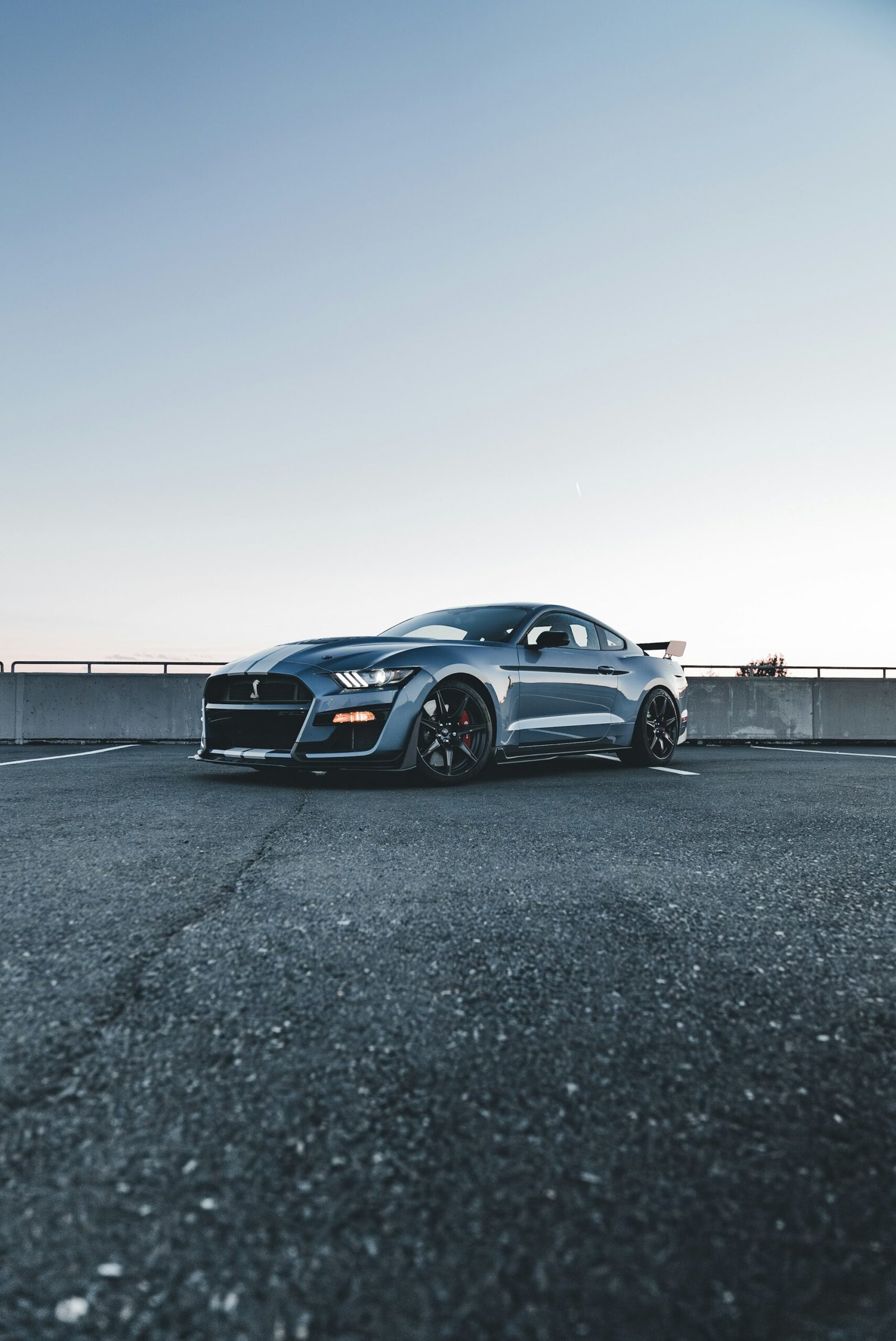
This might be the story of the year. Ford took a Mustang, sent the body to a company that builds multimillion-dollar race cars, added a transaxle, a massive rear wing, and a supercharged V8 pushing over 800 horsepower. The goal? Beat a Porsche 911 GT3 RS around a track, for under $300,000.
What makes it a redefinition: Bringing Le Mans-grade technology to a mainstream American nameplate. The GTD isn’t just a tuned Mustang\u2014it’s a homologation-special mindset applied to an everyday icon. It rewrites what a “factory tuner” car can be, aiming to put hypercar-rivaling track performance within reach of a serious enthusiast rather than only the ultra-wealthy.
10. BMW i7 M70 xDrive: A Luxurious Locomotive
Performance isn’t reserved for two-door coupes anymore. The BMW i7 M70 is a full-size, ultra-luxury sedan that quietly hits 60 mph in 3.5 seconds\u2014supercar quick\u2014while you recline in massaging, heated seats surrounded by crystal trim and theater-grade sound.
What makes it a redefinition: Decoupling raw speed from drama entirely. This sedan delivers genuinely explosive acceleration in near-total silence and cloud-like comfort. It reframes performance as something seamless and effortlessly luxurious\u2014proof that mind-bending speed no longer requires any compromise. It can just be another item on the options list, like a premium sound system.
Wrapping Up: Performance Is a Spectrum, Not Just a Number
So what does all this tell us? The performance car today is a genuinely complex thing. It can be a silent, luxurious force of nature like the i7, a playful digital character like the Ioniq 5 N, or a raw, analog thrill machine like the M3 CS. What ties them together is no longer just a horsepower figure on a spec sheet.
It’s about the experience. Whether that experience comes through tactile steering feedback, an intelligent hybrid burst of power, or the awe of an F1-derived powertrain, the goal is the same\u2014to actually move something in you. These ten cars, each in their own very different way, manage that. They’ve genuinely expanded what “performance” means, making it richer and more varied than ever. The future of driving isn’t just fast\u2014it’s brilliantly, thoughtfully clever.
FAQs
1. Do purists actually consider electric cars “performance cars”?
This is genuinely the big debate. While some purists miss the manual gearbox and engine sound, the raw numbers are hard to argue with. Cars like the Taycan Turbo GT are winning over skeptics by focusing on handling, driver feel, and chassis dynamics\u2014the core things performance is really about\u2014rather than pure straight-line speed. The idea of what makes a “purist” car is evolving right alongside the technology.
2. What’s the real advantage of a hybrid performance car over a pure EV or pure combustion car?
The best hybrid performance cars genuinely try to combine the strengths of both worlds. Electric power eliminates turbo lag and delivers instant, silent torque at low speeds, while the combustion engine handles top-end power, exciting sound, and the thrill of a high redline. It can also sidestep the weight penalty of a massive EV battery pack, aiming for a more balanced overall chassis.
3. With all this tech assisting the driver, are modern performance cars too easy to drive fast?
There’s something to that. Advanced stability control, all-wheel drive, and launch control make these cars remarkably accessible and safe near their limits. That said, cars like the BMW M3 CS or McLaren 750S have adjustable systems that let experienced drivers dial back the assists and really test their own skill. The ceiling is higher than ever, but the floor is a lot more welcoming too.
4. Is the combustion engine actually dying out in performance cars?
Not immediately, but its role is clearly changing. We’re seeing combustion engines increasingly folded into hybrid systems (like the Ferrari 296 GTB) or reserved for limited-run, ultra-focused models (like the M3 CS). Tightening emissions rules mean pure high-performance combustion cars will likely become rarer and pricier, but they’ll probably stick around for enthusiasts for a while yet, often sitting alongside electric versions of the same car.
5. Which car on this list offers the best value for the performance you get?
That’s subjective, but strong arguments exist for both the Chevrolet Corvette E-Ray and the Hyundai Ioniq 5 N. The E-Ray delivers hypercar-level acceleration and genuinely groundbreaking AWD hybrid tech at a price well below the supercar elite. The Ioniq 5 N offers a uniquely fun, tech-packed, and practical performance experience for a fraction of the cost of the European heavyweights, making extreme performance more approachable than it’s ever been.