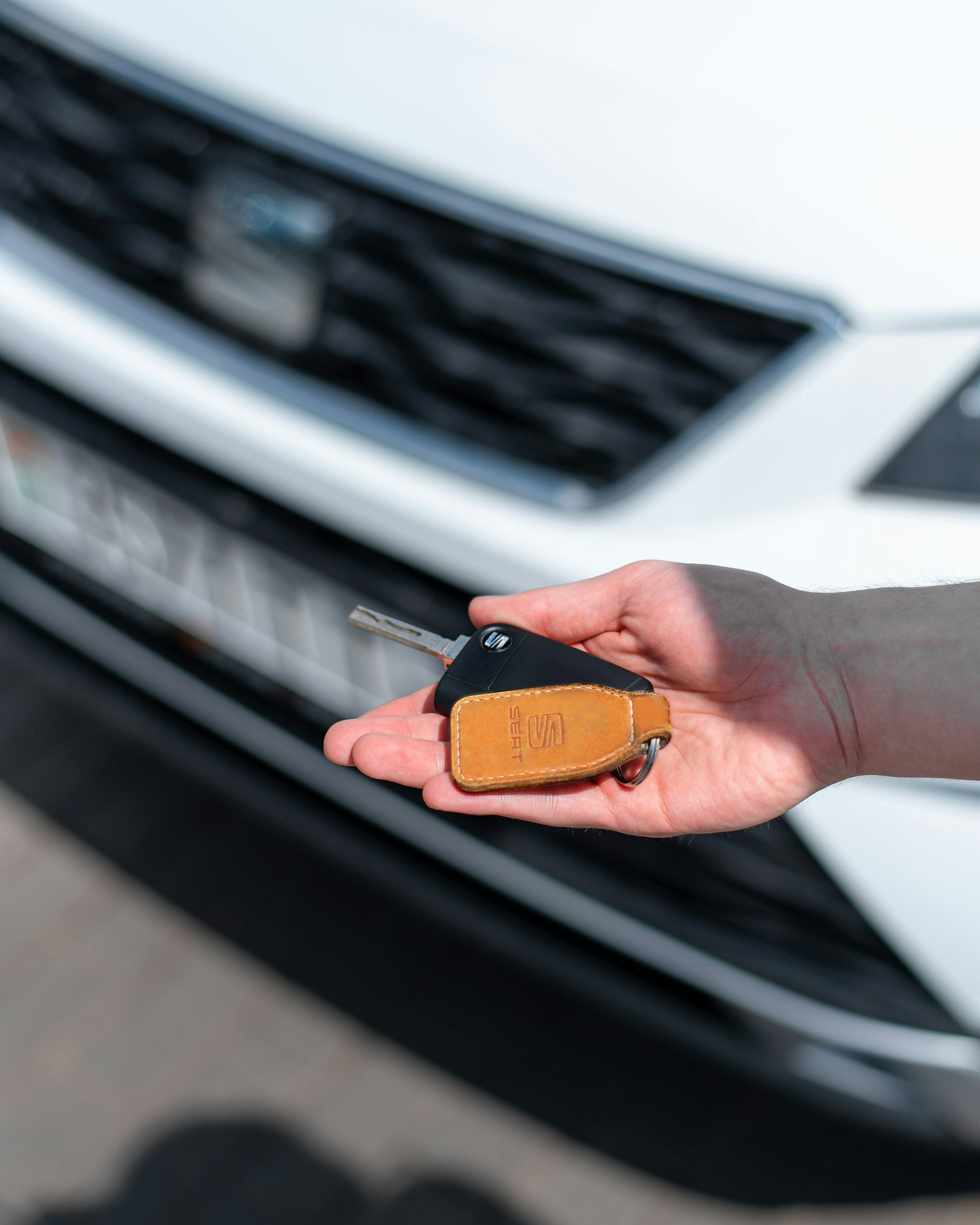
Let’s talk about a moment that changes everything: holding your first set of car keys in your hand. It’s not just a car\u2014it’s a passport to freedom, a statement of independence, and a big, sometimes intimidating responsibility. Choosing your first car is a rite of passage, and it comes loaded with big questions. Cool or practical? New or used? How do you even make sense of a car listing page?
Take a breath\u2014this isn’t something you have to figure out alone. Think of this as your experienced co-pilot, riding along to help you navigate every part of the decision. Let’s break it down step by step, from the daydreaming phase all the way to driving confidently off the lot.
Before You Start Looking: Laying the Groundwork
The biggest mistake first-time buyers make is falling for a photo online before doing any math. Your first car isn’t just a purchase price\u2014it’s an ongoing financial relationship. Here’s how to set that up right.
Budget: The Unglamorous Part That Actually Sets You Free
Your budget is your map. Skip it, and you’ll end up hopelessly lost. Here’s the key thing: your budget is not just the monthly payment.
- The 20/4/10 rule: A solid guideline\u2014aim for a 20% down payment, finance for no more than 4 years, and keep your total monthly car costs under 10% of your gross monthly income. That keeps you from ending up “car poor.”
- Total cost of ownership: This is your real budget, and it includes:
- The purchase price or loan payment.
- Insurance: For a first-time, especially young, driver, this can be surprisingly steep\u2014get quotes before you buy, not after.
- Fuel or charging costs: What’s the efficiency like? A “cheap” muscle car can still drink expensive gas fast.
- Maintenance and repairs: New cars come with warranties; used cars need a repair cushion. Research known issues for the specific models you’re considering.
- Registration, taxes, and fees: The government always takes its share.
Needs vs. Wants: Be Honest With Yourself
Make two lists, and be brutally honest.
- Needs (non-negotiable): “I commute 50 miles a day.” “I need to fit my hockey gear.” “I need a strong safety rating for my parents’ peace of mind, and for my insurance rate.” “My budget caps at $15,000.”
- Wants (nice to have): “I’d like a sunroof.” “I want a good sound system.” “I have a color preference.” Wants matter for enjoyment, but only after the needs are covered.
New vs. Used: The Perennial Debate
- New car pros: Full warranty, the newest safety and tech features, no unknown history, that new-car smell. Cons: Fast depreciation (value drops the moment you drive off), higher insurance, higher upfront cost.
- Used car pros: Much better value for your money, slower depreciation, cheaper insurance. Cons: Possible hidden issues, older tech, warranty may have expired.
The sweet spot: For most first-time buyers, a certified pre-owned vehicle from a dealer, or a well-maintained used car from a reliable brand around 3-5 years old, hits the ideal balance of affordability, modern features, and peace of mind.
The Search: What to Prioritize and Where to Look
Once your budget and needs list are locked in, the real hunt begins.
What Actually Matters Most
- Reliability and running costs: This is the top priority. A cool car that’s always in the shop is a nightmare to live with. Research brands and models known for longevity (Honda, Toyota, Mazda, and certain models from other makers all have strong reputations). Check reliability data from J.D. Power, Consumer Reports, and owner forums.
- Safety: Non-negotiable. Look for an IIHS Top Safety Pick+ or NHTSA 5-Star rating. Prioritize electronic stability control, a full set of airbags, and modern driver aids like automatic emergency braking if your budget allows.
- Fuel efficiency: A major piece of your monthly cost of ownership. A fuel-efficient car can save you thousands over the years, freeing that money up for other things.
Matching Body Style to Your Life
- Sedan: The classic pick\u2014generally affordable, efficient, and practical for people and cargo. A solid all-rounder.
- Hatchback: A more versatile version of the sedan, with a liftgate offering easy access to a surprisingly roomy cargo area. Sporty and useful at once.
- SUV or crossover: Higher seating position, often with AWD or 4WD available, good for active lifestyles or bad weather. Tends to cost more and get worse fuel economy than a comparable sedan.
- Coupe: Style-focused, usually two doors, less practical for rear passengers and cargo, but can offer a more engaging drive.
- Truck: Only worth it if you genuinely, regularly need to haul or tow something. They’re expensive to buy and run as everyday transportation.
Where to Shop
- Online marketplaces (Autotrader, Cars.com, CarGurus): Great for research\u2014use filters to narrow by price, year, mileage, and features, and read listings carefully.
- Dealerships: Offer certified pre-owned programs, financing options, and typically some level of post-sale support. Negotiation is expected.
- Private sellers (Facebook Marketplace, Craigslist): Can mean lower prices, but higher risk. You have essentially no protections unless everything’s in writing and the car has been professionally inspected. Never skip that inspection.
The Key Steps: Inspection, Test Drive, and the Deal
Once you’ve found a few contenders, stay systematic rather than getting swept up in excitement.
Test Drives Are More Than a Joyride
Treat this as a physical inspection, not just a fun spin.
- Before you drive: Check the exterior for uneven paint (a sign of past repair), rust, and tire wear. Sit in every seat. Test every feature\u2014windows, locks, AC and heat, radio, all the lights.
- While driving:
- Listen for odd sounds\u2014squeaks, rattles, knocks, whines.
- Test both acceleration and braking\u2014do they feel smooth and confident?
- Drive on a mix of roads, highway and city\u2014does it cruise comfortably, and does the steering feel precise?
- Does it feel right? You’ll spend a lot of time in this car. Do you feel comfortable and in control behind the wheel?
The Pre-Purchase Inspection: Cheap Insurance
If you’re buying used, especially from a private seller, this is the single best money you’ll spend. For $100-200, an independent mechanic of your own choosing (not the seller’s) puts the car on a lift and gives you a genuine report on its condition. It surfaces hidden problems and gives you real negotiating leverage\u2014or saves you from a costly mistake entirely.
Negotiation and Paperwork
- Do your research first: Know the car’s fair market value through Kelley Blue Book or Edmunds before you negotiate anything.
- Negotiate the “out the door” price: This is the full total including fees and taxes\u2014focus your negotiation here, not just on the monthly payment.
- Get pre-approved for financing first through your own bank or credit union. That gives you a baseline rate to compare against whatever the dealer offers.
- Read everything before signing. Understand every line item, and don’t let yourself get pressured into last-minute add-ons like extended warranties or fabric protection you didn’t ask for.
Wrapping Up: The Key to Confidence
Choosing your first car blends heart and spreadsheet. Let your heart weigh in\u2014you should genuinely like the car you drive\u2014but let the spreadsheet make the final call. The goal isn’t finding a perfect, flawless car, because that doesn’t exist. It’s finding the right, smart car for you, right now\u2014one that gives you freedom without chaining you to financial stress.
The most empowering car you can own is one you can actually afford to drive, maintain, and enjoy. Do the research, ask the questions, get the inspection, and trust the process. When you finally turn that key, the independence you feel will rest on a genuinely solid decision. Go get it\u2014the road’s waiting.
FAQs
1. My budget is small\u2014should I just buy the cheapest car I can find?
Not necessarily. A “$2,000 special” can quickly turn into a “$5,000 money pit” once repair bills start rolling in. It’s often smarter to stretch your budget slightly for a well-maintained, more reliable brand (an older Honda Civic or Toyota Corolla, say) with solid service records. Reliability ends up cheaper than constant repairs\u2014focus on total cost of ownership, not just the sticker price.
2. How much does mileage matter compared to age?
Both matter, but condition and maintenance history matter more than either one alone. A 10-year-old car with 60,000 careful miles and full service records is often a better bet than a 5-year-old car with 100,000 hard, neglected miles. Look for a consistent maintenance paper trail\u2014it tells the real story of how the car’s been treated.
3. What if my parents and I disagree on the choice?
Very common. Frame the discussion around shared priorities: safety, reliability, and budget. Come prepared with research on safety ratings, reliability scores, and a clear budget breakdown including insurance quotes. Showing you’ve done real homework makes your case stronger, shifting the conversation from “I want that cool one” to “here’s why this reliable, safe option fits everything we care about.”
4. Is it a bad idea to consider an electric car as a first car?
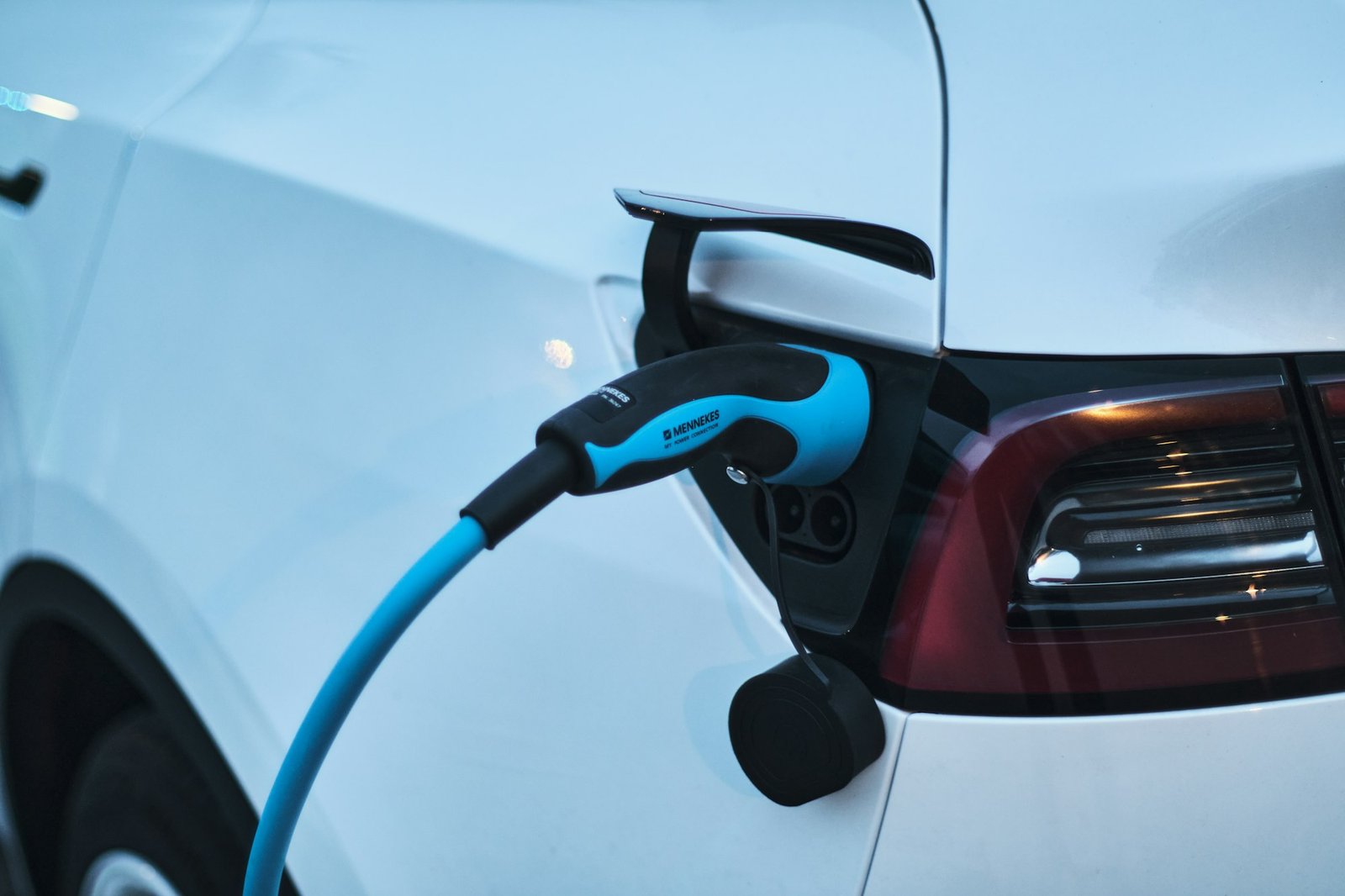
Not at all\u2014it just has specific requirements. An EV can actually make a great first car: simple mechanically, cheap to “fuel,” and very low-maintenance. The key factor is charging access. Do you have reliable charging at home (a driveway or garage plug) or consistently at work? If so, and your daily driving fits comfortably within the range, a used EV like a Nissan Leaf or Chevy Bolt can be a smart, economical pick.
5. What’s one red flag I should never ignore in a used car?
A seller who hesitates or refuses to let you get a pre-purchase inspection from a mechanic of your choosing. This is the single biggest red flag out there. A confident seller with a genuinely good car has nothing to hide. “No” to an inspection almost always means there’s something expensive they’d rather you not find\u2014walk away.