Here’s an uncomfortable truth: in the digital age, your personal data, your finances, your medical records, and even the lights in your home aren’t just information or conveniences. They’re assets. And like any valuable asset\u2014your car, your house, your savings\u2014they’re targets. The difference is that while you’d never leave your front door wide open or your wallet on a park bench, most of us do the digital equivalent of that every single day without a second thought.
Cybersecurity isn’t a niche IT concern anymore, reserved for corporations. It’s a basic life skill for anyone with a smartphone, a home Wi-Fi network, or a credit card. It’s about protecting not just your data, but your digital identity, your financial independence, and your physical safety in a world where online and offline barely feel separate anymore. Here’s why this matters more now than it ever has.
How We Got Here: From Nuisance to Real Threat
Looking at how cyber threats have evolved explains why our attention needs to keep pace.
- The 1990s\u2014curiosity era: Viruses were often pranks, digital graffiti from hackers showing off their skills.
- The 2000s\u2014financial theft era: Phishing and spyware rose to target credit card numbers and bank logins. Crime went digital in earnest.
- The 2010s\u2014data and disruption era: Massive breaches (Target, Equifax), ransomware locking up hospitals, and state-sponsored attacks. The stakes became societal.
- The 2020s and beyond\u2014physical consequences and AI: We’re here now. Attacks don’t just steal data anymore\u2014they can knock out critical infrastructure (power grids, water systems), manipulate physical devices (connected cars, medical equipment), and use AI to run hyper-personalized, hard-to-detect attacks at scale.
The pattern is clear: cyber threats have moved from targeting our information to targeting our lives and the basic functions of society itself.
Why Risk Keeps Climbing
Several powerful trends are combining to create a genuinely riskier environment.
1. The Internet of Things: Billions of New, Weak Entry Points
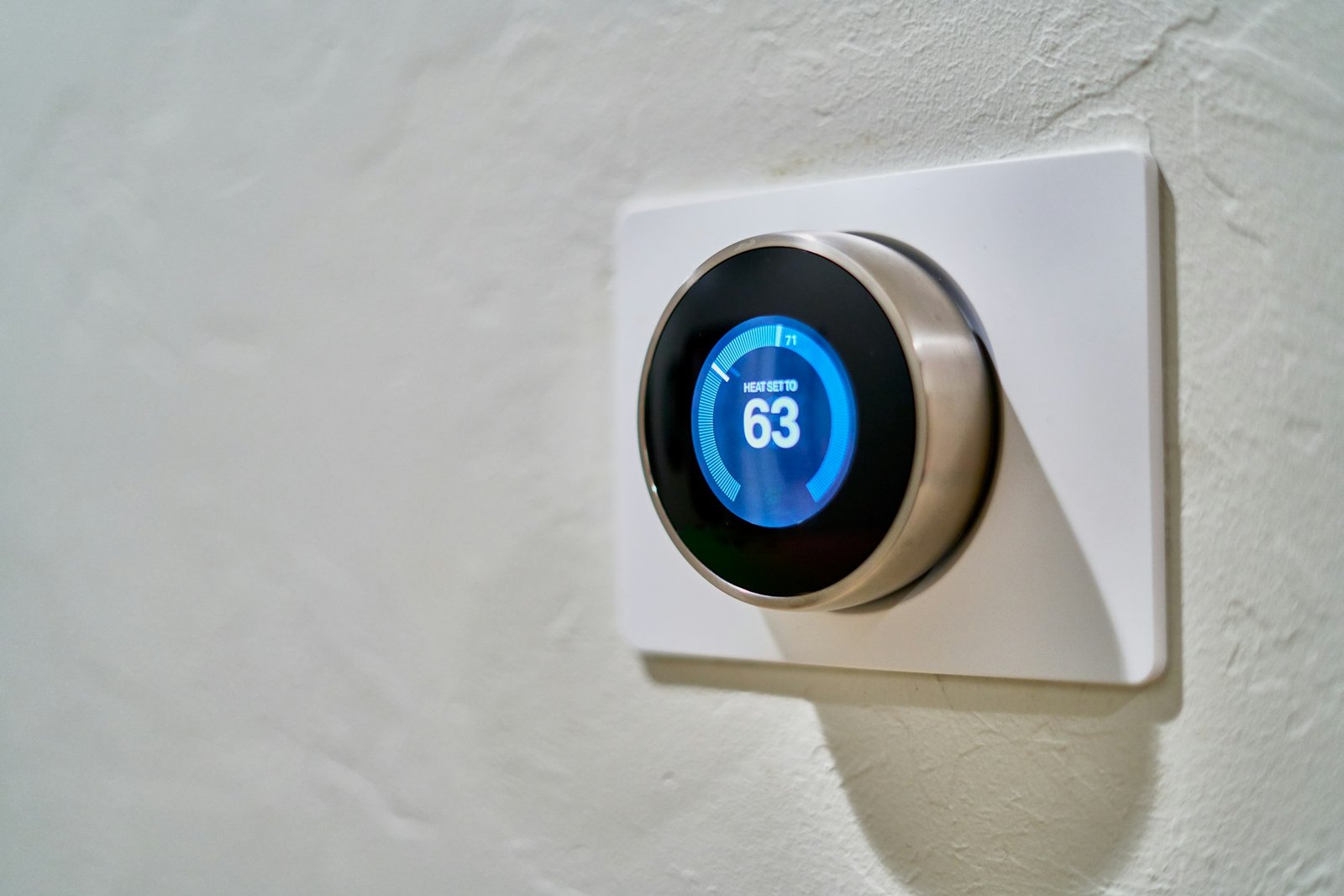
Your smart fridge, baby monitor, and doorbell camera are essentially computers with weak security disguised as appliances. They’re often built cheaply, shipped with default passwords nobody ever changes, and rarely get security patches. Hackers don’t need to break down the digital front door when your unsecured smart plug leaves the side gate wide open. These devices can even be hijacked into massive “botnets” used to attack bigger targets or quietly spy on your home.
2. Work and Personal Life Have Blurred Together
Bring-your-own-device culture and remote work have dissolved the old boundaries. The personal laptop you use for shopping and social media might also be your gateway into your company’s financial systems. One phishing email clicked at home can become the entry point for a ransomware attack that cripples an entire organization. Your personal cybersecurity habits are now your employer’s business risk too.
3. AI Cuts Both Ways
Artificial intelligence is a force multiplier for both attackers and defenders.
- For attackers: AI can write flawless phishing emails in any language, mimic a CEO’s voice to authorize a fraudulent wire transfer, and find software vulnerabilities faster than any human could. It makes attacks more automated and more sophisticated at once.
- For defenders: AI can scan network traffic in real time, spot anomalies, and automate responses. But it’s an arms race, and attackers often have the edge since they only need to find one weak spot.
4. Cybercrime Has Become an Industry
Cybercrime has industrialized, and you no longer need to be a coding expert to take part. Ransomware-as-a-Service works a lot like a shady tech startup: developers build the malicious software and sell “subscriptions” to less-skilled affiliates who carry out the actual attacks, splitting the profits in untraceable cryptocurrency. This business model has driven a surge of attacks against small businesses, schools, and local governments\u2014targets seen as having weaker defenses but enough money to pay up.
5. Geopolitics Shows Up in Your Inbox
Cyberspace has become a genuine battlefield. Nation-states engage in ongoing, low-level cyber conflict\u2014stealing intellectual property, spreading disinformation to influence elections, and probing rival infrastructure. Ordinary citizens and companies often end up as collateral damage in these digital cold wars.
Why This Feels Personal, Not Abstract
This isn’t about vague “data” somewhere. It’s about:
- Financial ruin: A drained bank account, fraudulent loans opened in your name, a wrecked credit score that takes years to fix.
- Lost privacy: Intimate photos, private messages, or health data leaked online for extortion or humiliation\u2014often called “doxxing.”
- Physical danger: A hacked smart car with disabled brakes, a tampered-with insulin pump, a front door lock held for ransom.
- Emotional toll: The sense of violation, anxiety, and helplessness after an attack can be genuinely lasting.
Shift Your Thinking: From “Will I Be Hacked?” to “When?”
The most useful mental shift is assuming you are a target, and that some of your data is likely already sitting in a hacker’s database from a past breach somewhere (check haveibeenpwned.com to see). That’s not paranoia\u2014it’s preparedness. It moves your focus from naive prevention toward real resilience and damage control.
Your Personal Cybersecurity Checklist
- Lock down passwords and logins:
- Use a password manager (LastPass, 1Password, Bitwarden) to generate and store unique, complex passwords for every account.
- Turn on multi-factor authentication everywhere it’s offered\u2014especially email, banking, and social media. An authenticator app beats SMS codes for security.
- Update everything, always: Those “annoying” software updates on your phone, computer, and apps are mostly security patches. Turn on auto-updates and let them run.
- Pause before clicking: Be skeptical of unsolicited emails, texts, or DMs. Don’t click links inside them\u2014verify directly through a trusted channel instead (call your bank using the number on your card, for example).
- Secure your home network:
- Change your router’s default admin password.
- Use a strong, unique Wi-Fi password.
- Put smart home devices on a separate guest network, away from your main computers and phones.
- Back up your data:
- Follow the 3-2-1 rule: three total copies of your data, on two different types of storage (an external drive plus cloud storage, say), with one copy kept offsite (cloud counts). This alone makes ransomware far less scary.
Wrapping Up: A Shared Responsibility
Cybersecurity in the digital age is genuinely a shared responsibility. Tech companies need to build secure products and be honest when breaches happen. Governments need to set strong standards and hold bad actors accountable. But at the end of the day, you are the one guarding your own digital life day to day.
Spending time on cybersecurity isn’t a technical chore\u2014it’s an investment in your own safety, privacy, and peace of mind. In a world where our digital and physical selves have essentially merged, protecting your data deserves the same instinct as locking your door at night. It’s just part of living responsibly in the modern world.
FAQs
1. I’m not rich or important\u2014why would a hacker bother with me?
You’re a target precisely because you assume you’re not one. Hackers rely on automated bots scanning millions of devices and accounts for the easiest targets\u2014weak passwords, outdated software. You’re not being personally singled out; you’re getting swept up in a wide digital net. Your device might get folded into a botnet. Your identity might get bundled with millions of others and sold cheaply on the dark web. It’s a numbers game, and everyone’s playing whether they realize it or not.
2. Are password managers actually safe? What if the manager itself gets hacked?
Reputable password managers use zero-knowledge architecture, meaning your master password encrypts your data on your own device before it ever reaches their servers. Even if the company gets breached, attackers only get encrypted gibberish. The risk of reusing weak passwords across sites is vastly higher than the risk of using a well-reviewed password manager.
3. What’s the most common mistake people make?
Reusing passwords. Using the same password for your email, bank, and some random shopping site is basically handing over a master key. If that shopping site gets breached\u2014and they often do\u2014hackers now have your email password too, and from there they can reset the passwords on every other account you own. A password manager solves this completely.
4. How do I know if a website or link is actually safe?
Look for “HTTPS” and a padlock icon in the address bar, which means the connection is encrypted\u2014but be careful, since phishing sites often use HTTPS too. The safest habit is never clicking links in unsolicited messages. Instead, type the trusted website address directly into your browser yourself.
5. My company has an IT department\u2014isn’t cybersecurity their job?
They’re your allies, but you’re the front line. Most breaches start with a human moment\u2014a clicked phishing link, a downloaded attachment, a weak password. IT builds the defenses (firewalls, filters), but you’re the one who decides whether the digital gate stays shut. It’s a genuine partnership, and your everyday vigilance is the piece that matters most.